WOODRIVER 12T28 Bottoming Tap 1/1
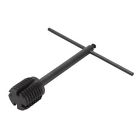
( Brand: Woodriver ), ( Manufacturer Part Number: 12T28 ), ( Part Type: Tap )
Review WOODRIVER Bottoming Tap 1-1
Product Name: Bottoming Tap 1-1
The Bottoming Tap 1-1 is a high-quality, versatile plumbing component designed for various applications. This tap is a bottom-entry valve, which means it is installed from the bottom of the pipe, making it an excellent choice for confined spaces or difficult-to-reach areas.
The Bottoming Tap 1-1 is made from durable materials, ensuring long-lasting performance and resistance to corrosion. It is typically made of brass or stainless steel, providing strength and reliability even in harsh environments. The valve body is threaded for easy installation and can be connected to pipes with various thread sizes, such as NPT (National Pipe Thread) or BSP (British Standard Pipe).
The tap features a full-turn, lever-operated handle, providing precise control over the flow of water. This design allows for easy operation, even with gloves on, ensuring user safety and convenience. The handle is also adjustable, allowing for comfortable use in different hand sizes.
The Bottoming Tap 1-1 is equipped with a ball valve mechanism, which ensures a smooth and reliable flow of water. The valve seat is made of high-quality materials, such as PTFE (Polytetrafluoroethylene), providing a tight seal and preventing leakage. The ball valve also offers excellent durability and resistance to wear and tear, ensuring a long lifespan for the tap.
The Bottoming Tap 1-1 is also designed with maintenance and repair in mind. The valve body can be easily disassembled for cleaning or replacement of worn-out parts. The tap also features a drain port, allowing for easy removal of any debris or water that may accumulate within the valve.
Overall, the Bottoming Tap 1-1 is a reliable, durable, and user-friendly plumbing component that is perfect for various applications. Its bottom-entry design and versatile thread sizes make it an excellent choice for confined spaces or difficult-to-reach areas. Its full-turn lever handle and ball valve mechanism ensure precise control and reliable performance, while its easy maintenance and repair features ensure longevity and durability.
Pros of buying a bottoming tap (1-1):1. Precision: A bottoming tap allows for precise measurements of the depth of a well or borehole, ensuring that drilling stops at the desired depth.
2. Accuracy: The tap is designed to withstand the pressure of drilling, reducing the risk of errors due to excessive force or inaccurate measurements.
3. Safety: By accurately measuring the depth, the risk of drilling through unstable ground or hitting an underground obstacle is reduced, improving safety.
4. Cost-effective: A bottoming tap can save time and money by avoiding the need for costly re-drilling or corrective measures due to inaccurate depth measurements.
Cons of buying a bottoming tap:1. Cost: Bottoming taps can be expensive, especially high-quality models with advanced features.
2. Maintenance: Proper maintenance is required to ensure the tap remains accurate and functional. This includes regular cleaning and calibration.
3. Complexity: Using a bottoming tap can be more complex than using other depth measurement methods, requiring additional training and expertise.
Conclusion:While a bottoming tap may require an initial investment and ongoing maintenance, the benefits of precision, accuracy, safety, and cost-effectiveness make it a valuable tool for drilling operations. If the cost and complexity are manageable, a bottoming tap can provide significant value in ensuring that drilling projects are completed efficiently and safely.
Recommendation:If you are considering purchasing a bottoming tap, it is important to research different models and choose one that meets your specific needs and budget. Consider factors such as the depth of your well or borehole, the type of drilling equipment you are using, and the level of precision and accuracy you require. Additionally, make sure to invest in proper maintenance and training to ensure that your bottoming tap remains accurate and functional for years to come.
Details:
Bottoming taps are for cutting threads to the bottom of a blind hole. Use them after a regular tap has gone as far as it can in your hole. Bottoming taps are for cutting threads to the bottom of a blind hole although traditional in design, modern technology and metallurgical advances have improved the traditional thread box and tap and perfected its components.
specifications allenhexwrenchus:
- brand: Woodriver
- mpn: 12t28
- part type: Tap
Shipping:
- cost: $7.5
- handling: 3 days
- type: Flat
Payments:
- PayPal
Seller:
- zipcode: 26105
- city: Vienna, West Virginia
General:
- in stock: Yes
- Home & Garden > Tools > Hand Tools > Wrenches > Adjustable Wrenches
- condition: New
Ratings:
- Extremely fast shipping and great price! Will definitely be a return customer! 02-26-15
- good 02-26-15
- Thanks for prompt delivery would buy again 02-25-15
- Love it works great. Thank you 02-26-15
- Thank you!!: 02-25-15
Returns:
- type: Money back or replacement buyer's choice
- time: 60 Days
- policy: returns accepted
- paid by: Buyer
Offer:
- # Sold: 0
- # bids: 0
- Started: February 26, 2015, 11:23 pm
- best offer: false
- quantity: 10
Woodriver 12T28 Is Similar To:
- 12t19 Woodriver Bottoming Tap 1-2 (44.4% similar) Bottoming taps are for cutting threads to the bottom of a blind hole. Use them after a regular tap has gone as far it can in your hole. Bottoming taps are for cutting threads to the bottom of a blind hole although traditional in design, modern technology and metallurgical advances have improved ...(February 24th, 2017)
- 1601-11 Woodriver Bottoming Tap 1-2 844788013049 (40.6% similar) Bottoming taps are for cutting threads to the bottom of a blind hole although traditional in design, modern technology and metallurgical advances have improved thread box tap perfected its components. Use them after a regular tap has gone as far it can in your hole. Bottoming taps are for cutting ...(November 22nd, 2017)
- 1602-11 Woodriver Bottoming Tap 3-4 (50% similar) Bottoming taps are for cutting threads to the bottom of a blind hole. Use them after a regular tap has gone as far it can in your hole. Bottoming taps are for cutting threads to the bottom of a blind hole although traditional in design, modern technology and metallurgical advances have improved ...(June 24th, 2017)
- 1603-11 Woodriver Bottoming Tap 1 (51.9% similar) Use them after a regular tap has gone as far it can in your hole. Bottoming taps are for cutting threads to the bottom of a blind hole although traditional in design, modern technology and metallurgical advances have improved thread box tap perfected its components. Bottoming taps are for cutting ...(August 23rd, 2017)
- 1604-11 Woodriver Bottoming Tap 1-1-4 (48.3% similar) Use them after a regular tap has gone as far it can in your hole. Bottoming taps are for cutting threads to the bottom of a blind hole. Bottoming taps are for cutting threads to the bottom of a blind hole although traditional in design, modern technology and metallurgical advances have improved ...(July 3rd, 2017)
- 1605-11 Woodriver Bottoming Tap 1-1-2 (48.3% similar) Bottoming taps are for cutting threads to the bottom of a blind hole. Use them after a regular tap has gone as far it can in your hole. Bottoming taps are for cutting threads to the bottom of a blind hole although traditional in design, modern technology and metallurgical advances have improved ...(August 23rd, 2017)